



I have performed more than 200 ELIOS cases in the last few years, and in my experience, the treatment provides a stable reduction of IOP—a mean of about 15 mm Hg—and a reduction in medication burden. My objective outcome for patients treated with ELIOS is threefold: a reduction of IOP, a reduction of medications, and an improvement in quality of life.
A body of real-world and prospective studies with up to 8 years of follow-up demonstrates that ELIOS can provide a significant reduction of IOP (range, 29–43%) and a clinically meaningful reduction in medications.1 Also important is the low rates of severe adverse side effects.
In a retrospective study of patients with primary or secondary open-angle glaucoma who had cataract surgery combined with ELIOS, the mean IOP reduction was more than 20% after 8 years. Additionally, patients experienced a statistically significant reduction in medications for up to 4yrs (Figure 2). A secondary filtration surgery was performed in only 3.7% of patients.1
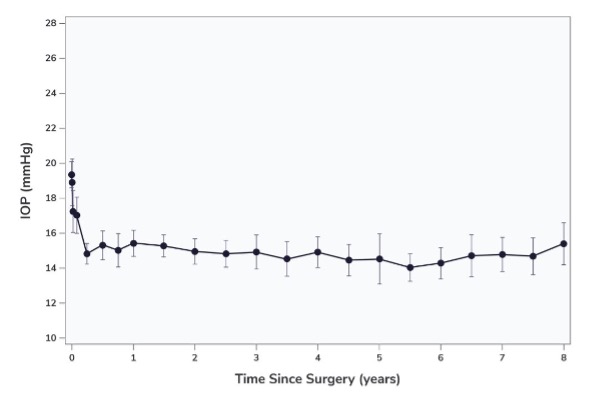
Figure 2. Eight-year data on combined ELIOS and phacoemulsification demonstrates success of the procedure.
Riesen M, Funk J, Töteberg-Harms M. Long-term treatment success and safety of combined phacoemulsification plus excimer laser trabeculostomy: an 8-year follow-up study. Graefes Arch Clin Exp Ophthalmol. 2022 May;260(5):1611-1621
In conclusion, ELIOS is an effective procedure that works to reduce IOP and the medication burden on patients. This is extremely important to patients, who commonly share positive feedback regarding quality of life improvement.
1. Riesen M, Funk J, Töteberg-Harms M. Long-term treatment success and safety of combined phacoemulsification plus excimer laser trabeculostomy: an 8-year follow-up study. Graefes Arch Clin Exp Ophthalmol. 2022;260(5):1611-1621.


