



Introduction
Cataract prevalence has risen significantly, with cases increasing from 32.8 million in 1990 to 82.2 million in 2021. Projections suggest continued growth, underscoring the urgent need for effective public health strategies to improve access to surgical care.1 Despite the availability of cataract surgery, access remains uneven. Cataract surgical rates range from 36 to 12,800 per million people, depending on the country.2 This disparity, especially in low-resource settings, underscores the need for scalable, reliable, and affordable phacoemulsification platforms to close the treatment gap.
LEGION™ Vision System technical advancements
The Legion™ phaco system includes the Legion™ console and all relevant Alcon® accessories required to operate the console. The system uses a Centurion® OZil® or Infiniti® OZil® handpiece to emulsify and aspirate the lens of the eye.3 It features OZil® torsional phacoemulsification with Intelligent Phaco (IP) software, a portable design, and an intuitive interface (Figure 1). The fluidics assembly includes the FMS pack and irrigation fluid. The assembly uses gravity fluidics to adjust the irrigation pressure delivered to a handpiece (Figure 2).3,4

Figure 1. LEGION™ Vision System
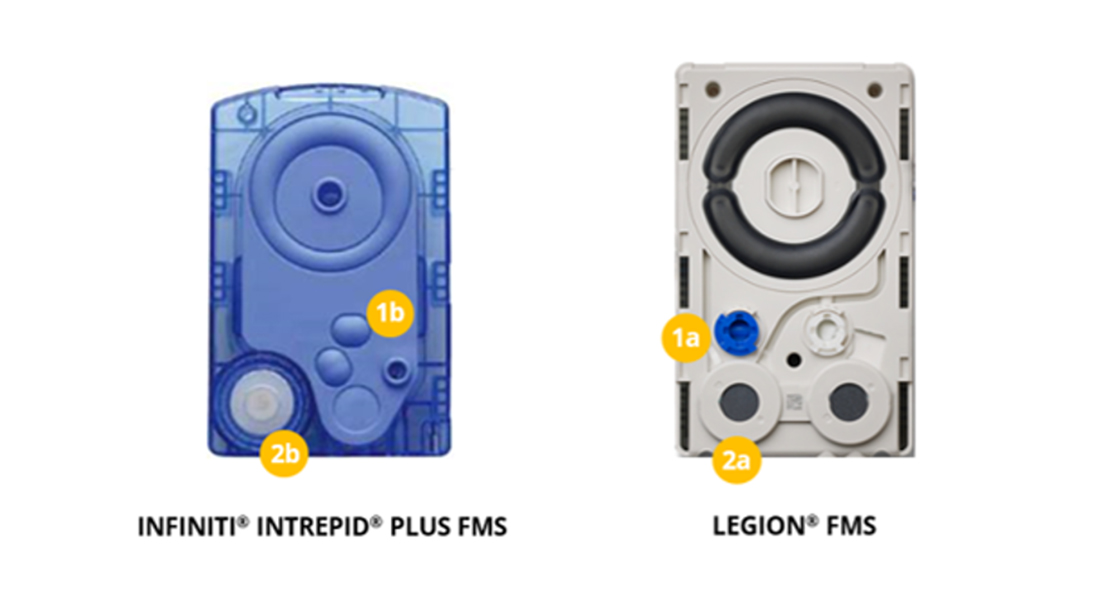
Figure 2. Fluidic Management System (FMS)
1a - Rotary vent valve, 1b - On-Off vent valve
2a- Optical Vacuum Pressure Sensor, 2b - mechanical sensor
LEGION™ Vision System comparative evidence
In comparative laboratory tests, the LEGION™ system had superior surge performance to the CIS system5 and superior surge protection across multiple vacuum thresholds6, consistently outperforming Infiniti® in both areas. (Figure 3)
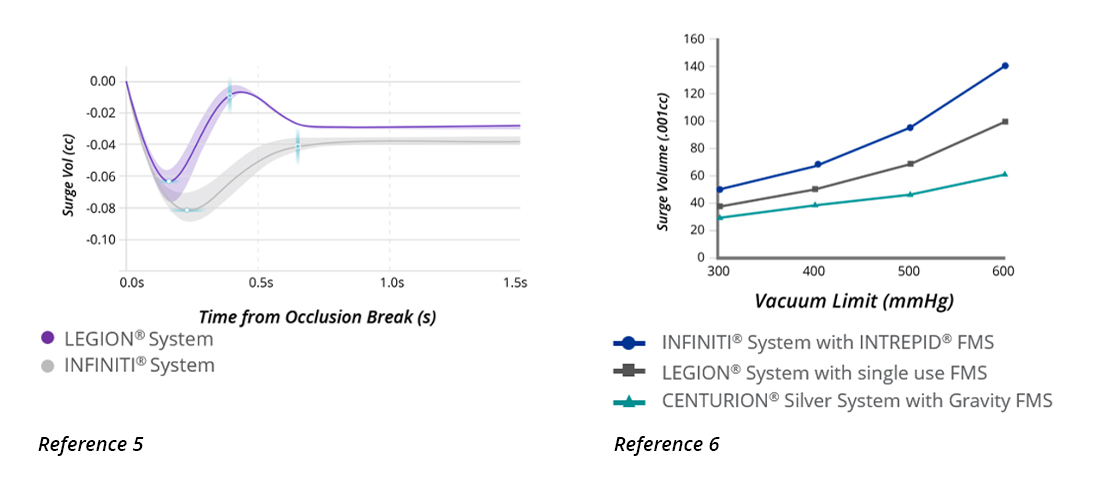
Figure 3. LEGION™ demonstrated reduced surge
A recent bench study compared occlusion break surge volumes across five phacoemulsification systems using a spring-eye model. The Legion™ system demonstrated comparable or lower predicted surge volume after occlusion breaks compared to the other phacoemulsification systems evaluated (Figure 4).7
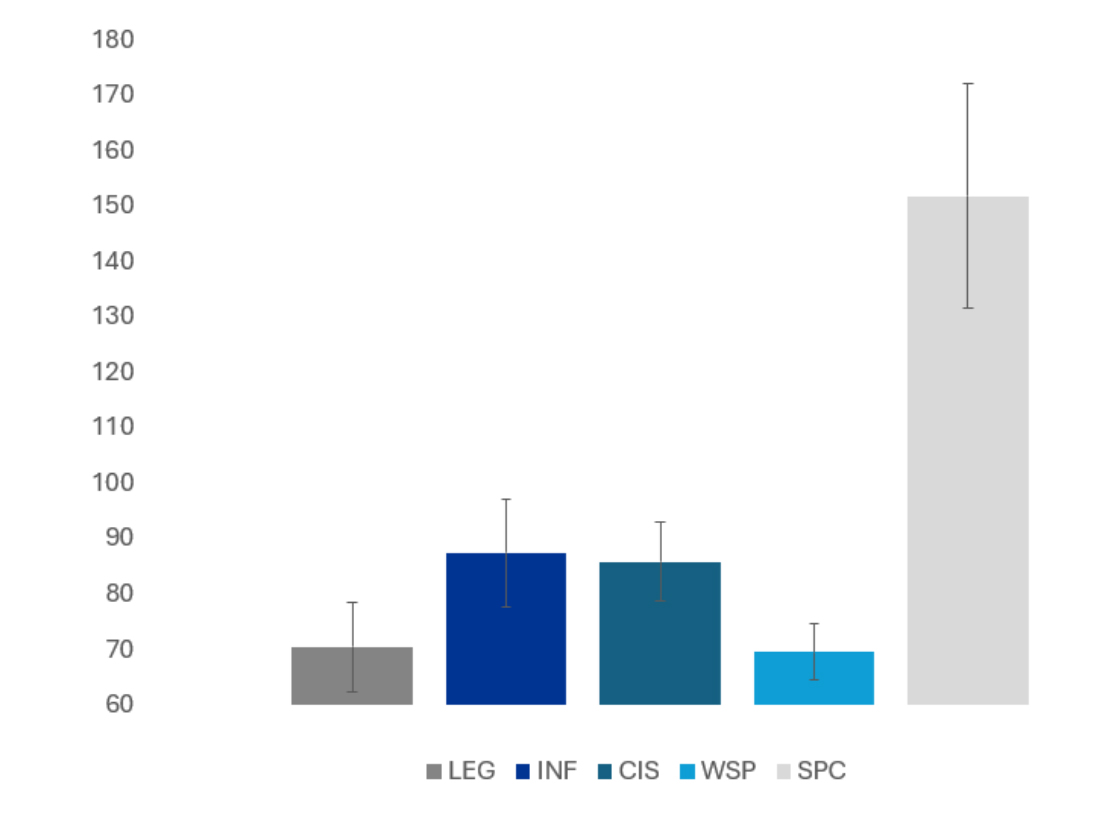
Figure 4. Occlusion break surge volumes.
Settings: IOP 60 mmHg, Vacuum 500 mmHg, Aspiration rate* 20 cc/min
At the most aggressive setpoint combination that did not reach the physical displacement limitation of the spring-eye model, the LEGION™ system showed the lowest mean occlusion break surge volume (statistically comparable to WSP). These lower surge volumes could lead to a reduced risk of posterior capsular rent due to increased stability of the anterior chamber, which affects the movement of the posterior capsule towards the phaco-tip. (Table 1)

LEGION™ (LEG), Infiniti® (INF), Whitestar Signature™ Pro (WSP), Compact Intuitiv (CIS), Stellaris® PC (SPC) *SPC lacks an independent aspiration rate setting due to its venturi-based design.
A randomized single-surgeon study compared the LEGION™ (torsional) and Laureate (longitudinal ultrasound) systems in 108 eyes with grade II–III cataracts. LEGION™ showed superior performance: shorter case times (11.65 vs. 12.90 sec; p = 0.0013), lower BSS use (138.6 vs. 182.9 mL; p < 0.0001), less CCT increase on day 1 (27.6 vs. 35.3 µm; p = 0.0008), and reduced endothelial cell loss at 1 month (-66.3 vs. -95.8 cells/mm²; p < 0.0001).8
A prospective, randomized, study compared surgical efficiency and clinical outcomes between torsional and transversal phacoemulsification. Transversal phacoemulsification uses a combination of longitudinal and elliptical oscillations to emulsify the lens.9 Patients with varying cataract grades were randomly assigned to either torsional (OZil technology, LEGION™; n = 100) or transversal (Ellips™ FX technology, Sovereign Compact system; n = 100) groups. The torsional group showed significantly shorter case durations and ultrasound time. Although postoperative central corneal thickness (CCT) increased more in the transversal group, the difference was not statistically significant (Table 2).10

Surgical performance was evaluated via independent video analysis using a standardized questionnaire covering eight parameters: chamber stability, chatter, ease of chop/sculpt, ease of cortex removal, ease of epinucleus removal, ease of quadrant removal, followability, and surge control. Surgeon experience was rated significantly better with the LEGION™ across all parameters (p < 0.0001).10
Another randomized study compared intraoperative performance and outcomes of two phacoemulsification systems: LEGION™ and Whitestar Signature™ Pro (transversal, Ellips™ FX). Each system was used in 60 surgeries by the same experienced surgeon.
The LEGION™ system had a shorter case time (322.73 vs. 340.25 seconds; p = 0.06) and significantly reduced ultrasound time (25.83 vs. 48.84 seconds; p < 0.01), indicating greater efficiency. Postoperative outcomes, including CCT and endothelial cell density, were comparable between groups. Surgical videos were assesed by an independent surgeon with higher scores indicating better performance. LEGION™ demonstrated statistically significant intraoperative advantages, including reduced chatter, improved followability, and easier quadrant removal. (Table 3)11

Conclusions
Phacoemulsification advancements are enhancing cataract surgery efficiency and outcomes, while expanding access to care. The LEGION™ system combines torsional ultrasound with advanced surge control technology in a compact platform, consistently delivering proven surgical efficiency and favorable clinical outcomes across multiple comparative studies.
©2025 Alcon Inc. IMG-LGN-2500005
1. Jiang X, Xu B, Zhai J, Huang S, Cheng H, Ma L, Zhao Y. Global trends in cataract burden: a 30-year epidemiological analysis and prediction of 2050 from the Global Burden of Disease 2021 study. Br J Ophthalmol 2025;0:1–9.
2. Hashemi H, Fayaz F, Hashemi A, Khabazkhoob M. Global prevalence of cataract surgery. Curr Opin Ophthalmol 2025, 36:10–17
3. LEGION™ System Operator’s Manual
4. INFINITI® Vision System Operator’s Manual.
5. Alcon Data on File. 2020, REF-08357
6. Alcon Data on File. 2017, REF-02559
7. Yalamanchili S, Aboughaida A, Rohani OS , Dyk DW. Evaluation of the Occlusion Break Surge Volume in Five Different Phacoemulsification Systems. Clinical Ophthalmology 2025:19 1357–1364
8. Choudhry S, Choudhry R. A comparison of intra-operative efficiencies and early post-operative outcomes of two phacosystems: A prospective, randomized, comparative, double masked, single center study. The 35th Annual Meeting of the Asia-Pacific Association of Cataract and Refractive Surgeons, June 2023
9. Shetty N. Comparison of Intraoperative Efficiencies and Surgical Outcomes Between Two Operating Systems: Torsional (Ozil Technology) Versus Transversal (EllipsFx Technology) Ultrasound Systems. The 38th Asia-Pacific Academy of Ophthalmology Congress, February 2023
10. https://pdf.medicalexpo.com/pdf/johnson-johnson-vision/ellips-fx-technology/78008-159517.html accessed 19.09.2025
11. Khatwani D, Shetty N, Tejal SJ, Nayak R, Jain A. Comparison Of Intra-Operative Efficiencies And Surgical Outcomes Between LEGION™ (Torsional Ultrasound) Versus Signature Pro (Transverse Mode). The 42nd Annual Meeting of the European Society of Cataract and Refractive Surgeons, September 2024


